"Save Trees" Torch March Lights Up Punjab Agricultural University Amid Development Debate
Ludhiana, Punjab - December 23, 2025
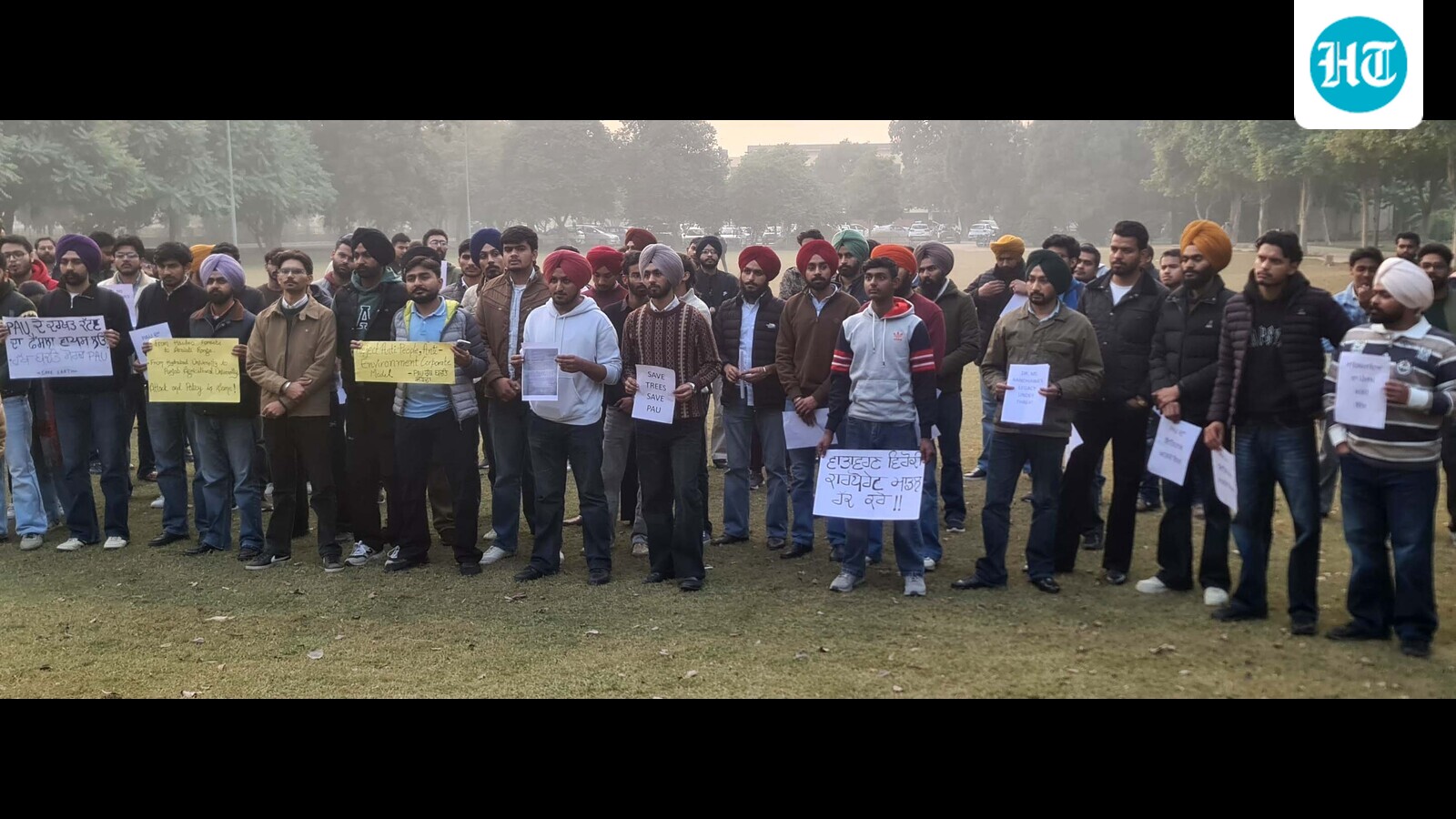
In a fiery display of student activism, the Punjab Agricultural University (PAU) campus in Ludhiana witnessed a "Save Trees" torch march on December 22, 2025, as nearly 100-150 mature trees along the road stretch in front of the Mohinder Singh Randhawa Library faced the chopping block for road widening and footpath expansion. This bold protest, led by students like Angrej Mann from the Punjab Agricultural Students Union, has set off a chain reaction of debate and scrutiny, highlighting the delicate balance between development and nature conservation in the face of a climate crisis.
Simranjeet Singh's scathing social media posts, which went viral on Instagram, aptly captured the irony of an agricultural university destroying green cover at the height of North India's pollution crisis. "These trees are the lungs of our environment," Mann emphasized, urging the university administration to reconsider its plan. "We demand sustainable alternatives, not thoughtless development driven by commercial motives."
The university's Vice-Chancellor defended the project, citing the need for smooth movement on campus and the regular plantation drives that have seen 1,000 trees planted every year. While officials claim that trees on footpaths will be spared, and a "green bed" will be added alongside the road, protesters are unconvinced. "This is a knee-jerk reaction to commercial pressures, rather than a considerate approach to environmental sustainability," said Kuldeep Singh Khaira, an environment activist.
This protest is not an isolated incident. PAU, a leading agricultural institution, has a history of tree-related controversies. In 2017, students successfully saved some old trees near Gate Number 2 from cutting for flower beds, under similar justifications. The university boasts expertise in forestry, with faculty members like Dr. Gurvinder Pal Singh Dhillon and Dr. Rakesh K. Garg researching tree improvement and species suitable for Punjab conditions.
This protest has sparked a broader conversation about infrastructure development and green spaces in educational campuses. As protests seek dialogue to balance both, the university's reputation hangs in the balance, with its agricultural ethos potentially compromised by the destruction of green cover. Local environment and public health could suffer, exacerbating Ludhiana's air pollution woes.
In an era marked by conflicting policy signals on development and conservation, this protest serves as a stark reminder of the need for dialogue and sustainability. As PAU students and campus users await a decision on the fate of the trees, one thing is clear: the future of India's development lies in striking a balance between infrastructure upgrades and environmental preservation, rather than sacrificing nature to the altar of progress.
In a statement, the Punjab Agricultural Students Union has vowed to continue the protest until their demands are met. As the situation unfolds, one can only hope that the university administration will take a cue from the students and prioritize sustainability over commercial interests. Only then can PAU live up to its reputation as a beacon of agricultural excellence and environmental stewardship.
Verified Facts: Protest at PAU, Ludhiana, against cutting nearly 100 trees for road widening near Mohinder Singh Randhawa Library. Involved: Students (e.g., Simranjeet Singh, Angrej Mann of Punjab Agricultural Students Union); social media activism; protests; university administration; forestry experts; environment activists. PAU has a history of tree-related controversies, including a 2017 protest where students saved trees near Gate Number 2. University officials have defended the project for infrastructure development and regular plantation drives. Protesters demand sustainable alternatives and environmental sensitivity in development projects. Local environment and public health could suffer from lost trees, exacerbating Ludhiana's air pollution woes. University reputation faces irony as an agricultural leader, potentially pressuring admins toward sustainable alternatives. Broader policy signals highlight conflicts in India's development vs. conservation debates, especially in educational campuses.
📰 Source: Hindustan Times - States