Docs Slam Centre's Denial of Lung Disease, Pollution Link
In a scathing rebuke to the Centre's assertion that there's no conclusive data linking higher air quality index (AQI) levels to lung diseases, medical experts have come together to expose the fallacy in the government's stance. On December 18, Union Minister of State for Environment Kirti Vardhan Singh provided a written reply to the Rajya Sabha, stating that air pollution is merely "one of the triggering factors for respiratory ailments and associated diseases." This claim has been met with fierce criticism from doctors, who argue that it is a thinly veiled attempt to downplay the risks associated with prolonged exposure to hazardous AQI levels.
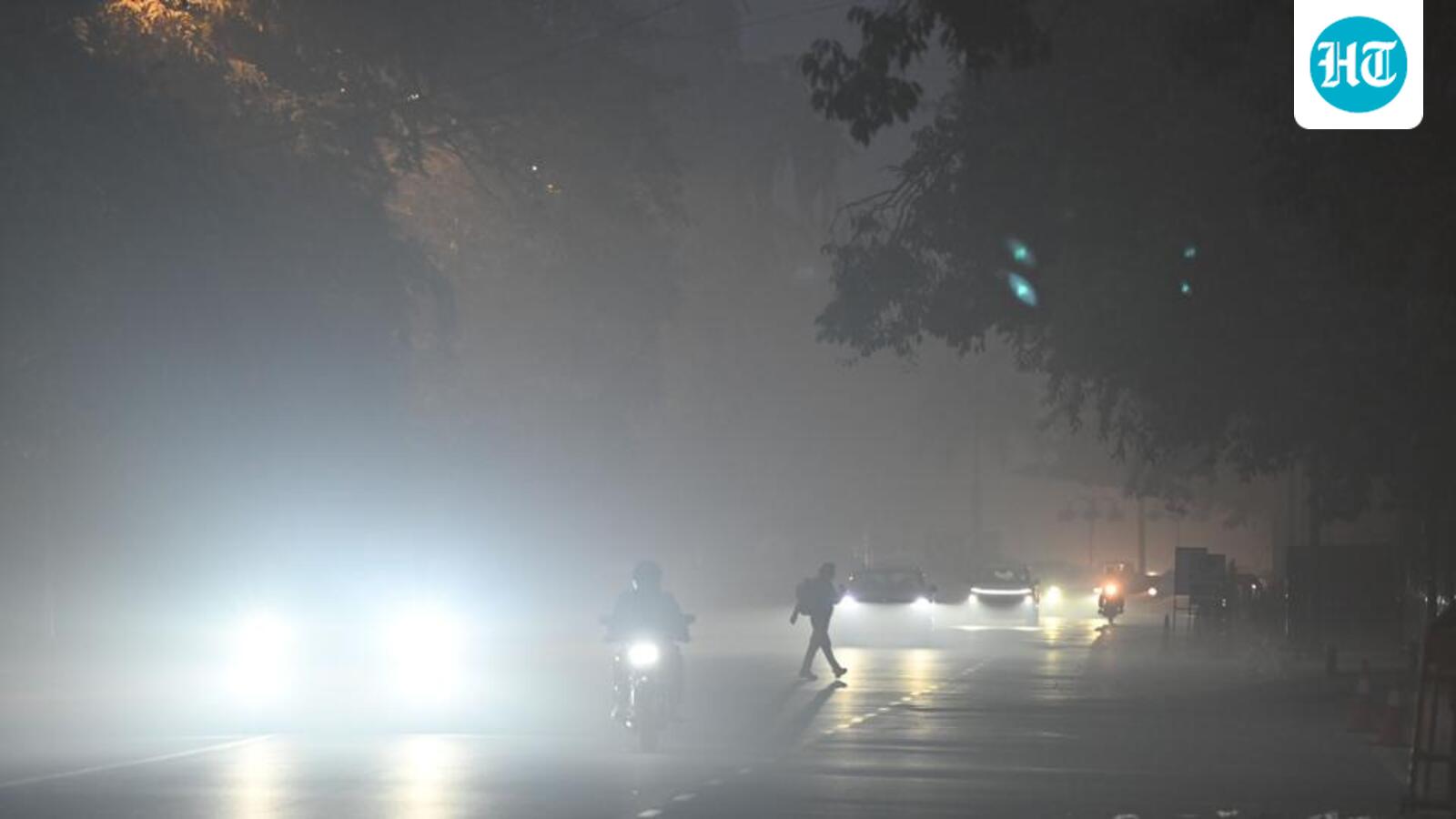
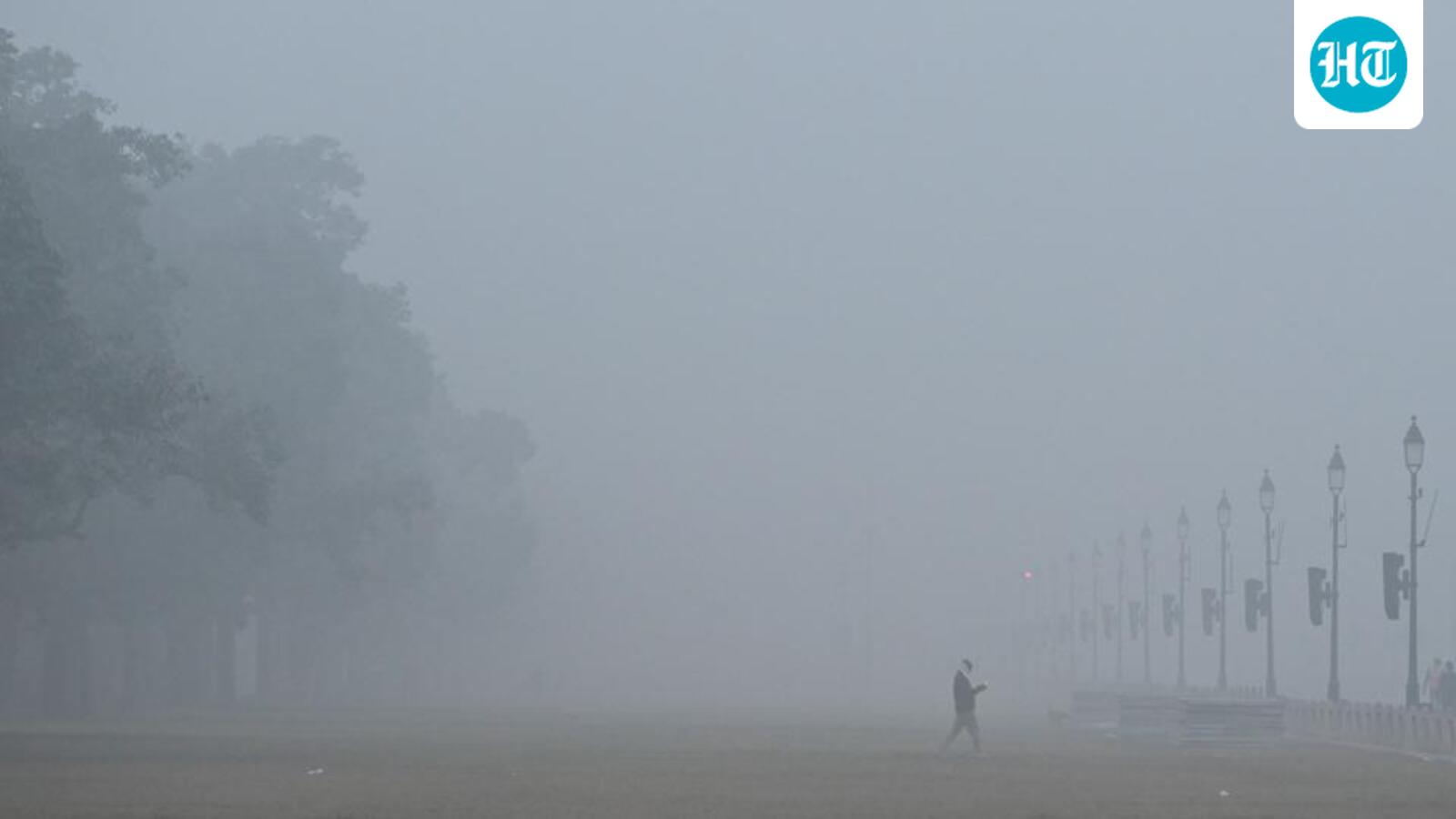
The controversy centers around Delhi-NCR, where the air pollution crisis worsens annually in winter due to a cocktail of factors including fog, stubble burning, vehicles, and industry. The region's hospitals have witnessed a sharp rise in respiratory cases, with patients suffering from lung fibrosis, declining lung function, pulmonary fibrosis, COPD, emphysema, and reduced lung elasticity. BJP MP Laxmikant Bajpai had asked a question in the Rajya Sabha regarding this alarming trend, prompting the government's response.
However, medical experts are having none of it. Former AIIMS director Dr. Randeep Guleria, AIIMS professor Dr. Anant Mohan, and Medanta's Dr. Arvind Kumar have panned the Centre's assertion as misleading. They point to studies such as a British Journal of Cancer paper published on April 25, 2025, which linked PM2.5 exposure to lung cancer incidence and mortality. The experts also cite evidence of "black deposits" on the lungs of non-smokers and teenagers in Delhi, a phenomenon that they claim is a direct result of prolonged exposure to hazardous AQI levels.
The government's stance echoes past denials. In 2017, Harsh Vardhan dismissed pollution-death links as "too much." In 2018, Javadekar questioned ICMR data lacking "first-generation" primary evidence, despite findings of 1.7-2+ years lost life expectancy in northern states. A 2024 Lancet study estimated 1.5 million annual excess deaths from long-term exposure exceeding WHO standards. Earlier this month, 80 Padma Bhushan doctors labeled it a "medically unacceptable" persistent emergency beyond seasonal issues.
Critics argue that the government's position is a classic case of semantics. They claim that the Centre is using technical jargon to obscure the fact that air pollution is a major public health crisis. "This is a play of words," Dr. Guleria said in an interview. "The science is clear, and the evidence is overwhelming. We're not talking about smoking or tobacco; we're talking about air pollution that affects everyone, regardless of their background or socioeconomic status."
The Centre's training modules and IEC materials for medical staff, frontline workers, and vulnerable groups are seen as inadequate by experts. "You can't just train people on what to say; you need to take concrete action to address the crisis," Dr. Mohan said. "The science is clear: air pollution causes lung cancer, reduces life expectancy, increases mortality, and harms from prenatal stages to old age. We need a comprehensive policy to address this emergency."
As Delhi-NCR residents continue to bear the brunt of the crisis, the Centre's denial is seen as a major setback for policy action. The implications are stark: millions are at risk of irreversible lung damage, reduced life expectancy, and higher mortality, particularly non-smokers, children, pregnant women, and outdoor workers. The lack of reliable monitoring and disputed data has potentially delayed interventions like better enforcement or WHO-aligned standards.
The Centre's stance has been met with widespread criticism from media outlets and analysts, who describe it as a persistent denial despite overwhelming evidence. The crisis is far from over, and the people of Delhi-NCR are left wondering when the government will take concrete action to address this public health emergency.
📰 Source: Hindustan Times - States