Delhi Court Reserves Verdict Against Sajjan Kumar in 1984 Anti-Sikh Riots Case
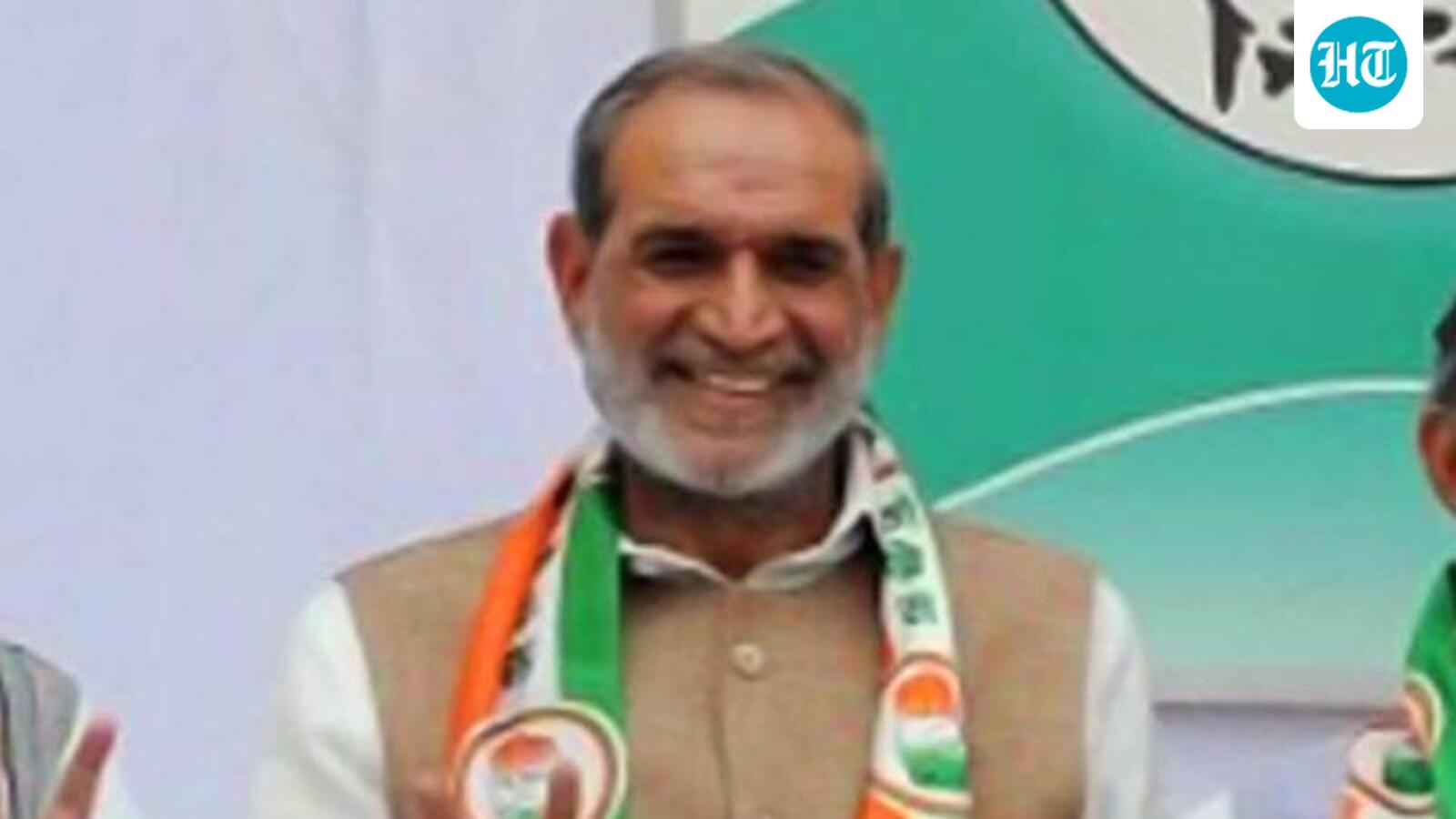
In a long-awaited development, Special Judge Dig Vijay Singh at Delhi's Rouse Avenue Court has reserved judgment in a 1984 anti-Sikh riots case against former Congress MP Sajjan Kumar. The verdict is expected on January 22, 2026, leaving the nation to ponder the prospects of justice for those affected by the blood-soaked pogroms.
Kumar, a former MP, faces prosecution claims of active participation in an unlawful mob armed with deadly weapons targeting Sikhs and their properties. This case involves two FIRs registered by a Special Investigation Team (SIT) in February 2015, one for the November 1, 1984, killing of Sohan Singh and his son-in-law Avtar Singh in Janakpuri, and the second for Gurcharan Singh being set ablaze by a mob on November 2, 1984, in Vikaspuri.
The prosecution, led by additional public prosecutor Manish Rawat, portrays Kumar as an active inciter and participant in mob violence. This narrative is supported by the SIT's findings, which have been corroborated by multiple sources. Kumar is currently serving a life sentence in Tihar Jail from a 2018 Delhi High Court conviction for killing five Sikhs in Palam Colony. In February 2025, he received another life term for murders in Saraswati Vihar.
The 1984 anti-Sikh riots, which erupted after Prime Minister Indira Gandhi's assassination by her Sikh bodyguards on October 31, 1984, resulted in at least 2,800 deaths in Delhi alone. Violence targeted Sikh communities in areas like Janakpuri, Vikaspuri, Palam Colony, and Saraswati Vihar, involving mobs incited amid allegations of Congress leaders' involvement.
Kumar's prior acquittals, including one in September 2023 in a murder case and earlier in Delhi Cantonment, highlight historical leniency or evidentiary challenges. However, his involvement in the 1984 riots has been consistently cited by the CBI, with Kumar previously quoted as saying, "not a single Sikh should survive" during the riots. This quote underscores the magnitude of the violence and the role of politicians in inciting it.
The SIT's efforts to revive stalled FIRs post-2015 have been instrumental in keeping the justice process alive. A guilty verdict could extend Kumar's life sentences, reinforcing accountability for 1984 riot leaders and signaling progress in long-pending cases for Sikh victims' families seeking closure. It may also pressure ongoing probes into over 300 riot-related cases with few convictions, potentially encouraging witnesses and reducing perceptions of political protection.
For the Sikh community, a guilty verdict would underscore persistent justice gaps, including low conviction rates, possibly fueling demands for faster trials or compensation. As the nation waits for the verdict, one thing is clear: justice delayed is justice denied, and it's time for the courts to deliver closure to the families of the victims.
With the verdict scheduled for January 22, 2026, the nation holds its breath, aware that this may be a rare moment of accountability for those responsible for the 1984 anti-Sikh riots. As the courts take a crucial step towards justice, it's essential to remember the victims and their families, who have waited decades for closure. The verdict will be a defining moment in India's journey towards healing and reconciliation.
📰 Source: Hindustan Times - States