Delhi's Air Quality Crisis Deepens: Govt Cracks Down on Offices Defying 50% WFH Mandate
In a desperate bid to curb the severe air pollution plaguing the national capital, the Delhi government has stepped up its efforts by issuing a directive requiring all private and government institutions to implement 50% work-from-home (WFH) for their staff, effective December 18, 2025. The move, announced by Labour Minister Kapil Mishra at a press conference, comes with a stern warning: any office defying the mandate will face strict action.
This latest measure is part of the city's emergency response to the deteriorating air quality, which has been classified as "very poor" in recent days. The government's Graded Response Action Plan (GRAP) III and IV have been enforced, aiming to reduce vehicular emissions by cutting daily commuting to the capital. Non-compliance with the WFH directive is punishable under sections 15 and 16 of the Environment (Protection) Act, 1986, and other applicable laws.
The directive applies to all government offices under the Government of National Capital Territory of Delhi (GNCTD) and all private offices, which must comply with the 50% attendance requirement. However, essential services such as hospitals, healthcare services, fire services, and public transport are exempt from the WFH rule and construction ban. The heads of government departments remain available for delivering essential and emergency services.
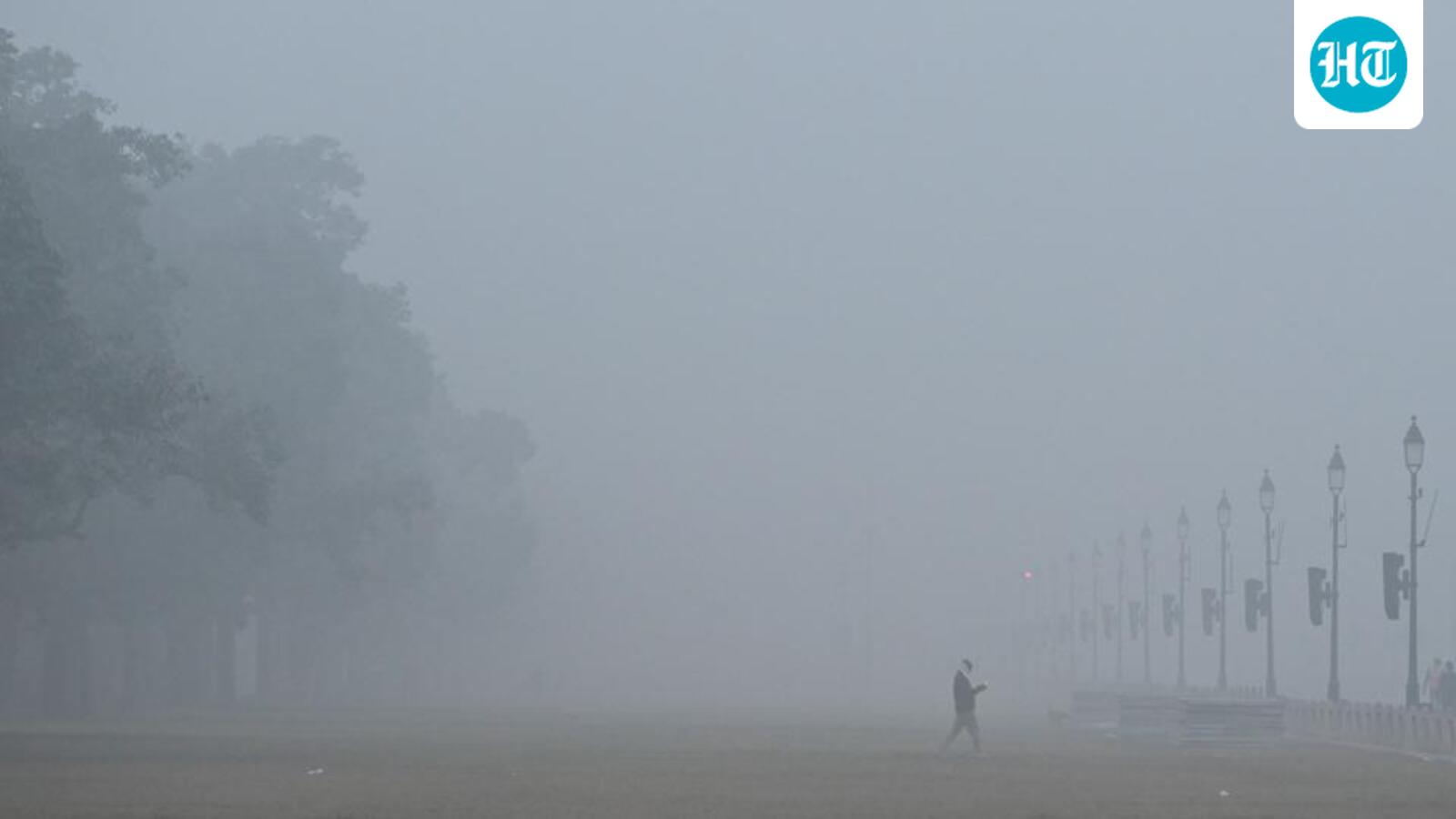
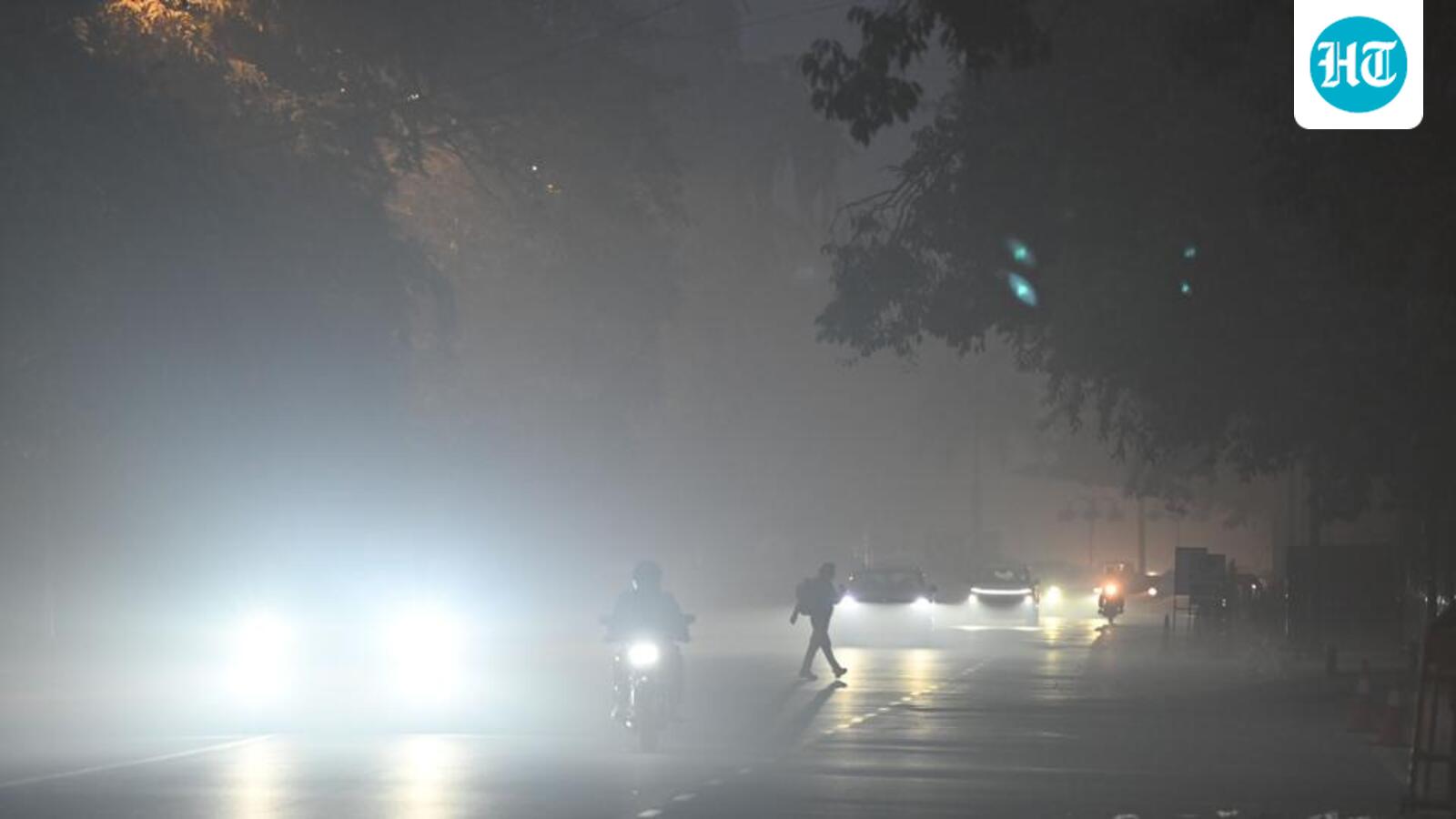
The 50% WFH mandate marks an escalation of pollution control measures in Delhi, building upon a similar directive issued on November 24, 2025. However, that decision was not enforced after restrictions under GRAP were lifted following a slight improvement in air quality. This time, the government has reinstated the WFH mandate as air quality in the capital deteriorated significantly, remaining engulfed in smog.
The repercussions of the directive are far-reaching, impacting the daily operations of thousands of organizations across Delhi. Employees must now coordinate with their employers to determine work schedules, while organizations face the challenge of maintaining productivity with reduced on-site presence. The threat of legal action creates pressure for strict compliance across both government and private sectors.
Construction workers and daily-wage laborers, already reeling from the halted construction activities under GRAP restrictions, face significant financial hardship. However, the government's compensation scheme, offering ₹10,000 (approximately $120 USD) in one-time compensation to registered construction workers, attempts to mitigate some losses. Verification for 35,000 workers has been completed, with 7,700 found eligible to receive the payment.
The Delhi government's prioritization of air quality improvement over normal business operations during the pollution crisis is a stark reminder of the city's struggle to balance economic growth with environmental sustainability. As the capital struggles to breathe, the government's actions serve as a beacon of hope for a cleaner, healthier Delhi. But will the WFH mandate be enough to stem the tide of pollution, or will it be simply another Band-Aid solution? Only time will tell.
📰 Source: Hindustan Times - States