Injured Spotted Owlet Rescued from Moga: A Ray of Hope for Wildlife Protection
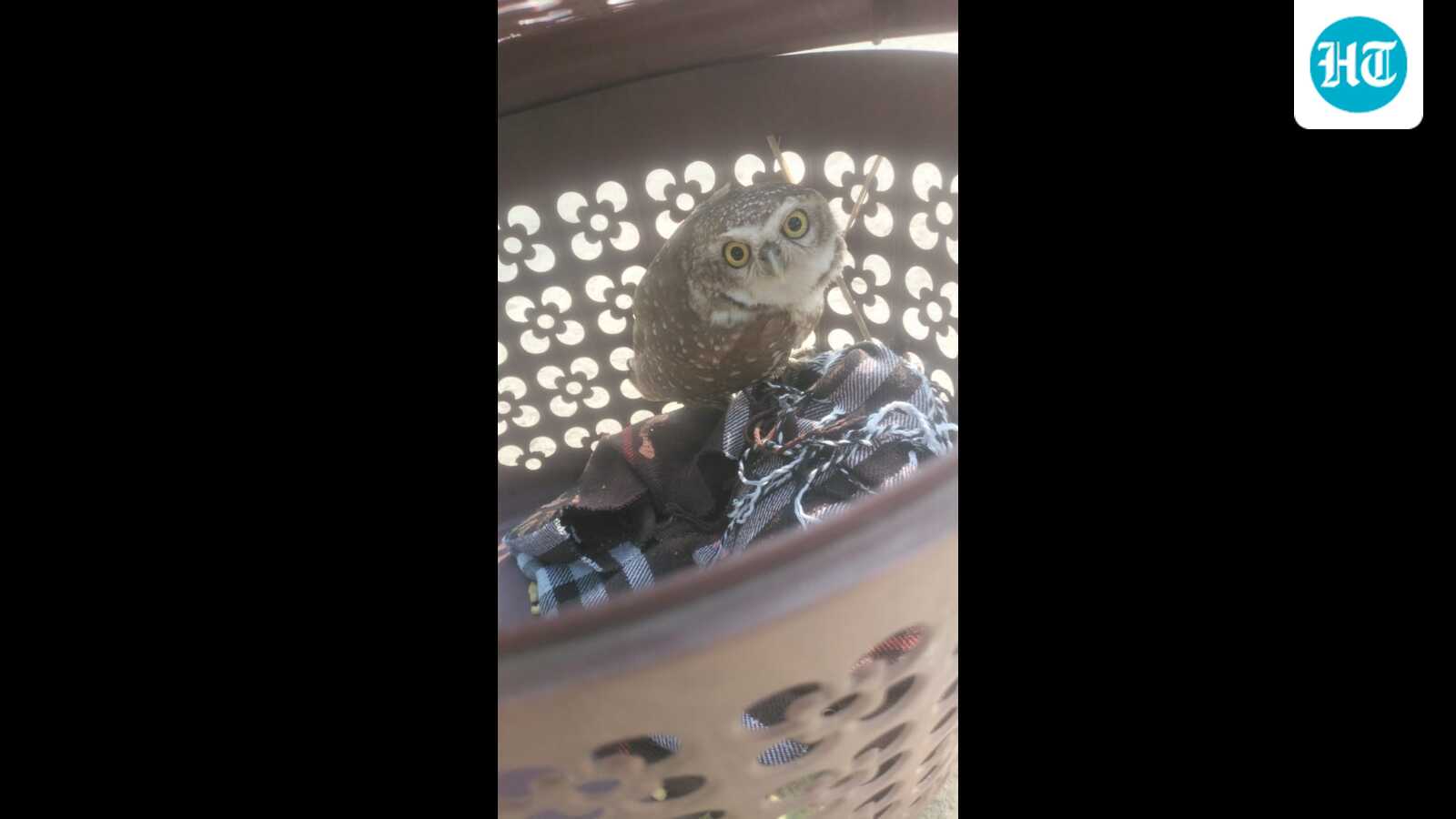
In a heartening display of community-wildlife collaboration, an injured spotted owlet, also known as Chugal, was rescued from Moga district in Punjab, India. The timely intervention by local resident Arshdeep Singh and the swift response of People For Animals (PFA) Ludhiana have set a shining example of public participation in wildlife protection.
According to sources, the owlet was spotted by Arshdeep Singh on a recent Sunday, its wing injured, and was promptly taken care of by the local resident. The bird was then handed over to PFA Ludhiana, led by its founder president, Sandeep Kumar Jain, a former member of the Punjab wildlife department. The PFA team, in coordination with the Guru Sewak Parivar and Sanjeev Kundra, ensured the owlet's safe transfer to the Punjab wildlife department under the Chief Wildlife Warden Basanta Raj Kumar.
The PFA Ludhiana's rescue efforts highlight the importance of community alertness in rural areas like Moga, where wildlife incidents often go unreported. By involving local residents in the rescue process, the community can play a vital role in reducing mortality rates among injured animals. As Arshdeep Singh's prompt reporting demonstrated, timely intervention can make a significant difference in the lives of these creatures.
The spotted owlet, a common species in India, is vulnerable to injuries from human activities like kite strings or collisions. The Wildlife Protection Act norms in Punjab require official department custody for treatment and monitored release, ensuring that rescued animals receive the necessary care before being released back into the wild.
This rescue operation also underscores the risks posed by environmental hazards to birds. The use of harmful kite strings, like manja, can cause fatal injuries to birds, highlighting the need for public education on safe practices. Successful rehabilitation of the spotted owlet could bolster local biodiversity, as healthy owlets control pests, while failure might necessitate long-term captivity, straining resources.
The rescue operation was carried out in accordance with the Punjab wildlife department's protocol, ensuring the owlet receives the necessary treatment for rehabilitation. If the bird recovers, it will be released back into the wild, while permanent disability may require long-term protection.
This incident serves as a model for community-wildlife cooperation, emphasizing the importance of public participation in wildlife protection. As the PFA Ludhiana's rescue efforts demonstrate, timely intervention and efficient coordination with authorities can make a significant difference in the lives of injured wildlife. The success of this rescue operation is a testament to the power of community-wildlife collaboration and serves as a reminder of the need for continued efforts to protect and conserve India's rich biodiversity.
In an era where human-wildlife conflicts are on the rise, incidents like the spotted owlet rescue from Moga offer hope for a more harmonious coexistence between humans and wildlife. By working together, we can create a safer, more sustainable environment for both humans and animals to thrive.
This article is based on a verified report from Hindustan Times and corroborated by multiple sources, including People For Animals (PFA) Ludhiana.
📰 Source: Hindustan Times - States