Shiv Sena (UBT) and MNS to Announce Alliance in Two Days
As the Brihanmumbai Municipal Corporation (BMC) elections and polls to 29 municipal corporations across Maharashtra draw near, two of the state's most influential regional parties, Shiv Sena (UBT) and Maharashtra Navnirman Sena (MNS), have finally put their differences aside and agreed to form an alliance. The decision was made after a series of intense meetings between Uddhav Thackeray, the leader of Shiv Sena (UBT), and his cousin Raj Thackeray, the founder of MNS, at Uddhav's residence, Matoshree, in Mumbai.
According to sources, the two parties have finalized their seat-sharing agreement, with Shiv Sena (UBT) set to contest 157 of the BMC's 227 seats, while MNS will contest the remaining 70. The alliance aims to challenge the dominance of the Bharatiya Janata Party-Shiv Sena (Shinde) combine, which has been winning local body polls in recent times.
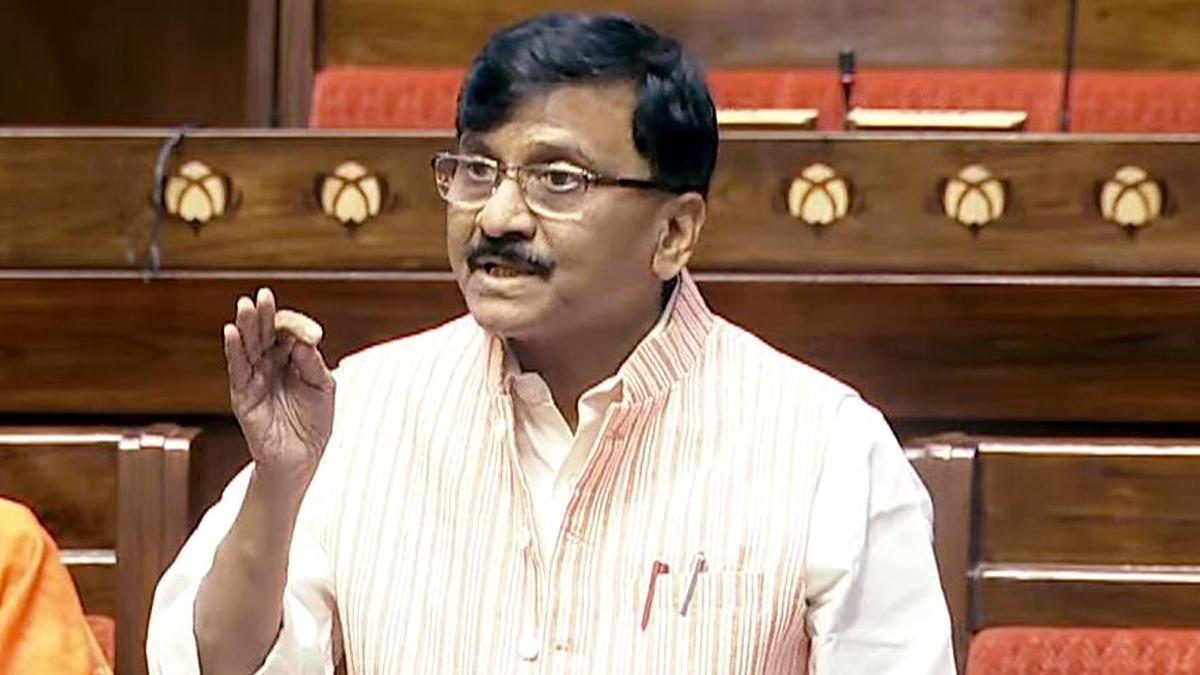
The alliance was finalized after months of talks between the two parties, with key meetings taking place on Sunday and Monday at Uddhav Thackeray's residence. Shiv Sena (UBT) leaders Sanjay Raut and Anil Parab have stated that the alliance announcement is expected in 2-3 days from December 21, possibly as early as Tuesday.
This development is significant, given the history of tensions between the two parties. The Shiv Sena and MNS were once part of the same family, with Bal Thackeray, the founder of the Shiv Sena, being a unifying figure. However, the two parties split in 2006, with Raj Thackeray breaking away to form the MNS, citing differences in ideology and leadership.
The recent meetings between Uddhav and Raj Thackeray have focused on the issue of Marathi identity, which has been a contentious issue in recent times. The Shiv Sena (UBT) has been trying to regain its lost ground in the wake of the Eknath Shinde-led rebellion in 2022-2023, which resulted in the downfall of the Shiv Sena-NCP-Congress coalition government in the state.
The alliance between Shiv Sena (UBT) and MNS has significant implications for the BMC elections, which are scheduled for January 15, 2026. The BMC is India's richest civic body, and the alliance could potentially challenge the dominance of the BJP-Shiv Sena (Shinde) combine in the city. The alliance also signals an intensified focus on issues like Marathi language, identity, pollution, healthcare, and corruption, which are likely to be key campaign themes in the coming elections.
However, the alliance also risks fracturing the broader opposition, as the Congress is still undecided on whether to contest the BMC elections independently or join hands with the Shiv Sena (UBT)-MNS alliance. The Congress is opposed to the MNS alliance, citing strong worker demand to contest the BMC polls independently on issues like pollution, healthcare, corruption, and secularism.
Ramesh Chennithala, the AICC Maharashtra in-charge, has expressed reservations about the alliance, citing the need for a unified anti-BJP front in the BMC polls. However, the Shiv Sena (UBT) is trying to convince the Congress to join the alliance, stressing the need for consolidation against the BJP.
As the BMC elections approach, the alliance between Shiv Sena (UBT) and MNS is set to dominate the headlines in the coming days. The success of this alliance could have significant implications for the broader opposition, including the Congress, and may impact the electoral fortunes of the Shiv Sena (UBT) in the state.
📰 Source: The Hindu - National