
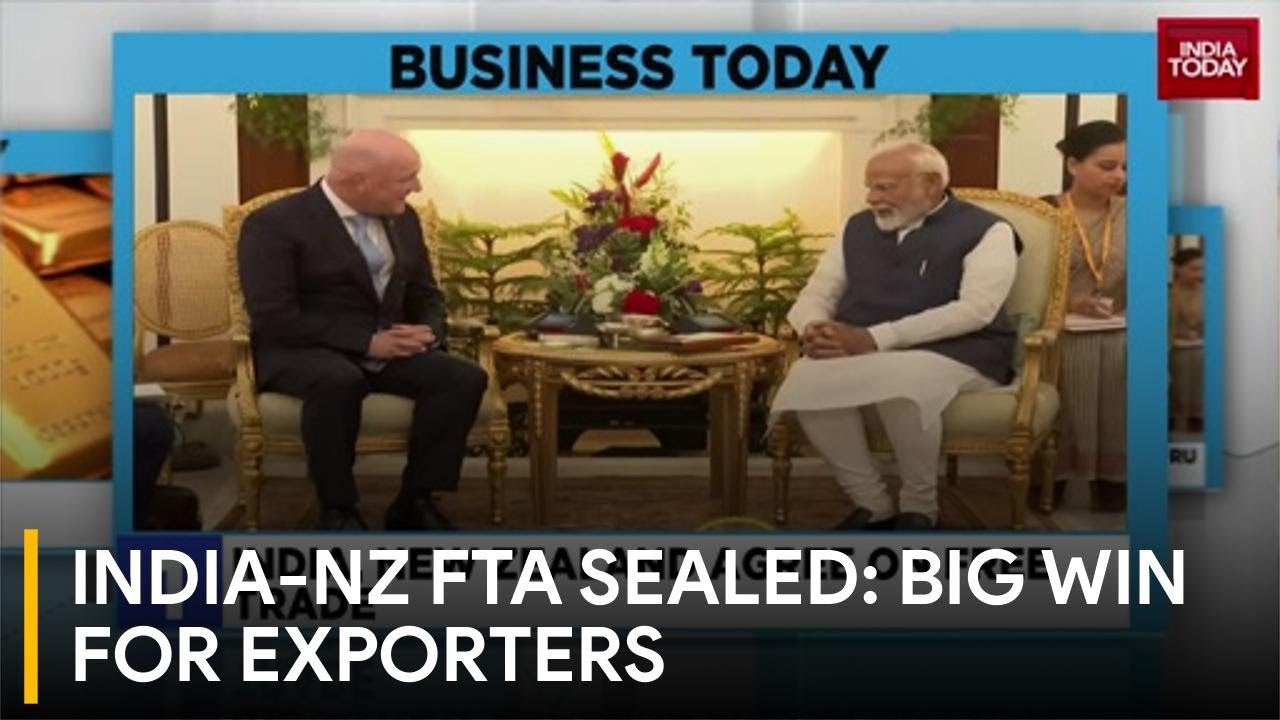
MARKET MANIA: India-New Zealand FTA Spells New Era of Growth, Trade
December 22, 2025, marked a watershed moment in the bilateral relationship between India and New Zealand as Prime Ministers Narendra Modi and Christopher Luxon sealed the historic Free Trade Agreement (FTA). This monumental deal is expected to boost trade between the two nations to unprecedented heights, creating new opportunities for businesses, consumers, and the economy at large. As markets in both countries rallied to new highs, the implications of this agreement reverberated across the globe, underlining the significant strides made by both nations in deepening economic ties.
The India-New Zealand trade relationship has been gaining momentum over the years, with bilateral trade valued at NZ$3.68 billion annually. This substantial existing commercial relationship is poised to expand and strengthen with the FTA, designed to eliminate or reduce tariffs and non-tariff barriers, making it easier for businesses to trade goods and services across borders. The conclusion of negotiations marks the culmination of months or years of diplomatic and commercial discussions between the two nations, culminating in a deal that is expected to reshape the trade landscape.
The FTA is structured across multiple chapters, covering various aspects of trade and commerce, including provisions that specifically recognize the importance of indigenous business participation in New Zealand's economy. One of the significant outcomes of this agreement is the increase in opportunities and reduction of barriers specifically for Māori businesses, a significant step towards fostering greater economic inclusion.
For businesses, the FTA promises to create new market access opportunities for exporters and importers in both countries, potentially lowering costs through reduced tariffs and simplified customs procedures. This could lead to an increase in exports and imports, thereby stimulating economic growth and creating new jobs. For consumers, the reduced trade barriers may lead to greater product availability and potentially lower prices for imported goods from both nations.
The agreement has sent a wave of optimism across financial markets, with stocks in both countries rallying to new highs. The FTA is expected to stimulate economic activity in sectors where both countries have competitive advantages, potentially contributing to GDP growth in both economies. As the news spread, India's benchmark index, the Sensex, rose sharply, while the New Zealand Stock Exchange (NZX) also saw significant gains, reflecting the market's enthusiasm for the deal.
While the FTA represents a significant milestone in the India-New Zealand trade relationship, there are still areas that require further clarification. Detailed statements from Prime Ministers Luxon and Modi, as well as comprehensive information on specific tariff reductions, sector-by-sector impacts, and market reactions, are yet to be made public. However, one thing is clear: the India-New Zealand FTA has ushered in a new era of growth, trade, and economic cooperation between the two nations, marking a significant stride towards a more integrated and prosperous future.
As the world watches with bated breath, the implications of this agreement will continue to unfold. With the India-New Zealand FTA set to create new opportunities for businesses, consumers, and the economy, one thing is certain: this historic deal will leave an indelible mark on the trade landscape, fostering greater economic cooperation and growth between the two nations.
📰 Source: India Today - Education