Boeing's Production Surge: A Leap Towards Stability and Growth
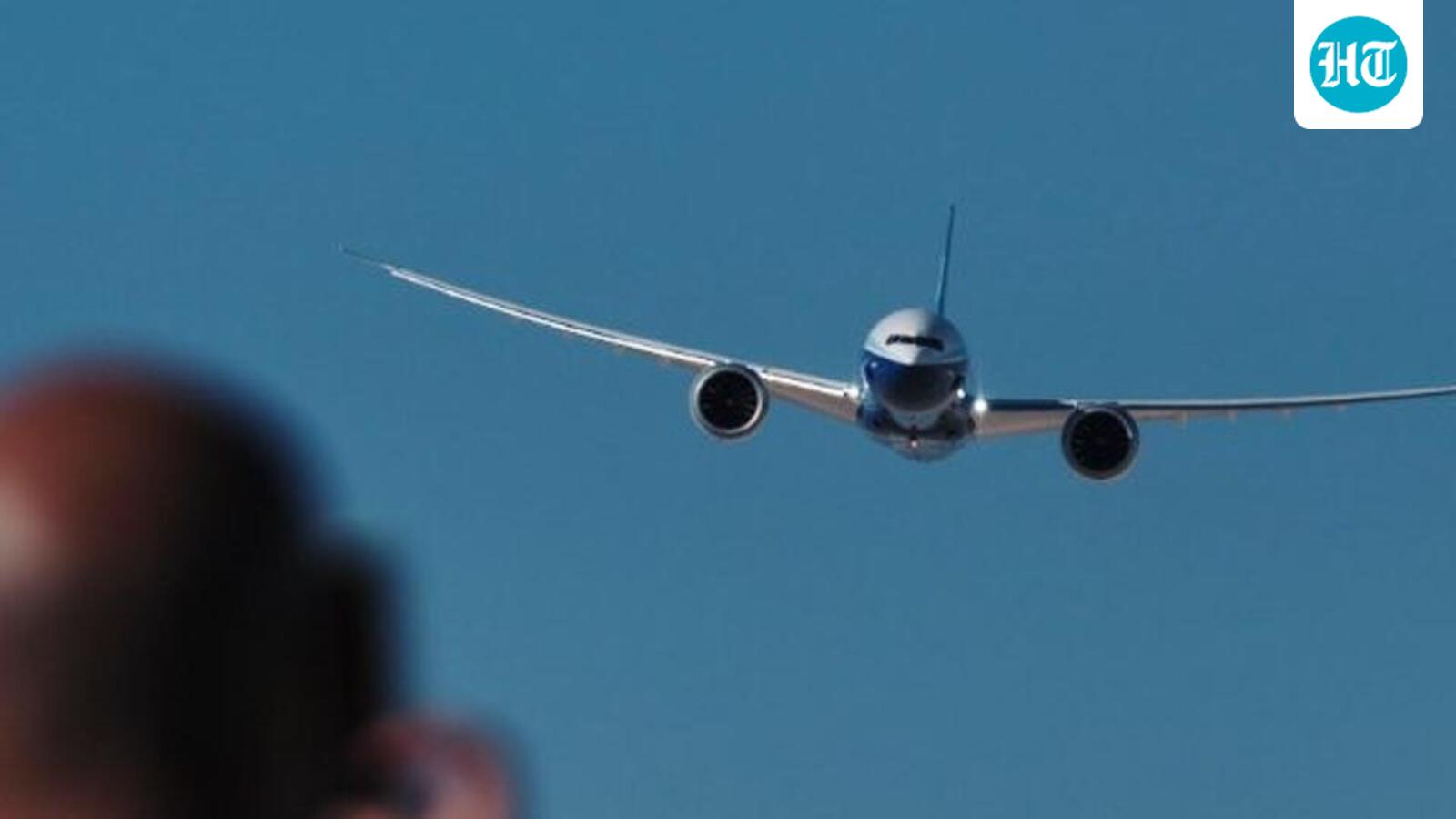
In a significant development, Boeing has secured Federal Aviation Administration (FAA) approval to increase monthly production of its 737 MAX aircraft from 38 to 42 units. The company's executives are already eyeing an even more ambitious target of 47 jets per month in the near future. This move marks a crucial milestone in Boeing's recovery from the devastating setbacks it faced in recent years.
The FAA's approval comes after Boeing achieved its prior production rate of 38 units per month in July 2025, producing 40 737 MAX units that month (35 MAX 8s and 5 MAX 9s). This achievement was a significant step towards regaining stability and momentum in the production line. However, the journey to this point was not without its challenges. The FAA had imposed a production cap of 38 per month following a door plug failure on a 737 MAX 9 operated by Alaska Airlines in January 2024 at a Boeing facility in Renton, Washington.
Despite the setbacks, Boeing's CEO, Kelly Ortberg, has been optimistic about the company's prospects. During an investors' conference in September 2025, Ortberg predicted the ramp-up to 47 jets, describing 2025 as a "year of stability" and 2026 as a "year of growth." The FAA Administrator, Bryan Bedford, informed Ortberg directly of the approval to 42 per month in a private meeting in late 2025.
The production increase to 42 units per month, with plans to reach 47 soon, is being welcomed by aviation analysts as a sign of stability and recovery. Boeing's deliveries in 2025 reached 537 aircraft, a significant jump of 69% from the 318 units delivered in 2024 and 16% above the 2023 levels. The average delivery timeline has also shortened to 37 days from first flight, indicating improved production efficiency.
Industry experts, such as Forecast International, see this development as a positive step towards Boeing's long-term goal of 52 units per month. They note that the current production levels are supported by backlogs and future MAX 7/10 certifications. The FAA officials, while emphasizing safety, are confident that the increase to 42 units per month will be conducted safely, with extensive reviews of production lines and heightened oversight in place.
Boeing executives have framed the ramp-up to 47 as imminent and part of normalized operations. However, the company's history of safety crises, including the two fatal crashes in 2018 and 2019, and the door plug blowout incident in January 2024, continues to be a subject of scrutiny. The FAA's intensified oversight of the Renton, Washington facilities, where bolts were missing from the door assembly, is a testament to the ongoing efforts to ensure safety.
The implications of this development are significant. Increased production will support Boeing's cash flow through faster deliveries and inventory clearance, aiding the company's recovery from prior crises. Airlines will benefit from shorter wait times for 737 MAX aircraft, stabilizing global supply chains as 2025 deliveries rebounded significantly. Investors see this as a step towards long-term goals, potentially boosting revenue with backlogs.
However, safety regulators maintain a cautious approach, emphasizing the need for continued oversight to prevent repeats of the 2018-2024 issues, which could affect traveler confidence if production quality slips. Industry-wide, this development contributes to normalized output levels not seen since pre-2018 peaks.
As Boeing continues to navigate its recovery journey, the industry is watching closely. The company's ability to maintain production levels, ensure safety, and meet investor expectations will be crucial in determining its future prospects. The increased production of 737 MAX aircraft is a significant step towards stability and growth, but it is only the beginning of a long and challenging journey.
📰 Source: Hindustan Times - Politics